What is PPC in Digital Marketing?

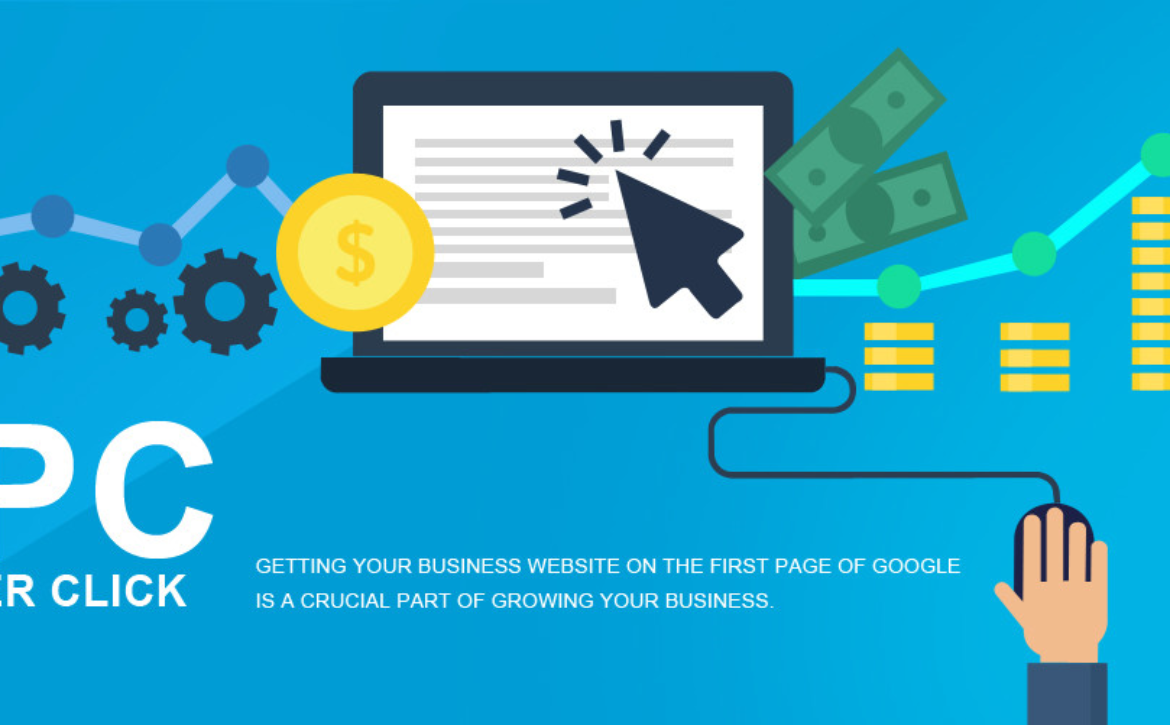
PPC, or Pay-Per-Click, is a vital component of digital marketing strategies. Advertisers pay a fee each time their ad is clicked in this online advertising model. Moreover, PPC campaigns are commonly run on search engines and social media platforms, offering businesses targeted visibility and the potential for increased website traffic and conversions. Want to know more about PPC in Digital Marketing? Read our blog for more insights, tips, and strategies to optimize your campaigns and achieve success.


PPC in Digital Marketing: Overview

Pay-Per-Click, sometimes known as PPC, is an advertising technique in which advertisers pay a fee each time their ad is clicked. It’s a technique for getting traffic to your website through paid advertising rather than organic means. Furthermore, businesses only pay for legitimate clicks using this cost-effective advertising technique, boosting their return on investment (ROI). Moreover, it offers the capabilities needed for thorough tracking and analytics so that campaigns can be optimized for the greatest results.


How does PPC Advertising Work?

PPC advertising, also known as Pay-Per-Click advertising, is a method used by advertisers to display their ads to users who search for specific words or phrases, such as “PPC in digital marketing.” Advertisers bid on these keywords, and if a user searches for one of them, the ad will show up at the top. The advertiser pays a fee every time someone clicks on their ad.

Advertisers develop campaigns to target specific geographies, interests, and demographics. They set the maximum bid for the terms they want to target.

The search engine will then choose which ads to display and in what sequence using a sophisticated algorithm. The algorithm considers variables such as:

  • The bid amount chosen by advertisers
  • How well the ad matches the keyword
  • The ad’s quality
  • Strategies and planning for PPC campaigns
  • Popular PPC platforms
  • Methods to acquire knowledge in PPC

PPC Advertising in Digital Marketing


Top PPC Advertising Platforms for Effective Digital Marketing

The choice of advertising platforms depends on various factors, such as your target audience, industry, and specific advertising goals. Moreover, some of the most widely used platforms for PPC in digital marketing include Google Ads, Facebook Ads, Microsoft Advertising, and LinkedIn Ads:

  • Google Ads:

    The biggest and most well-known PPC advertising platform is Google Ads, previously Google AdWords. You may use it to make advertisements that show up on the Google Display Network’s websites as well as on Google’s search engine results pages (SERPs).

  • Microsoft Advertising:

    Formerly known as Bing Ads, this is the PPC platform used by Microsoft’s Bing search engine. It gives you access to a different audience than Google AdWords and may be a powerful platform, particularly if Bing users are part of your target market.

  • Facebook Ads:

    PPC advertising possibilities are available through Facebook Ads on the largest social media network in the world. With detailed targeting options based on demographics, interests, and behaviors, Facebook Ads can help you reach a specific audience and engage with them through various ad formats.

  • Instagram Ads:

    Instagram, a Facebook subsidiary, provides a platform for creating PPC ads from within the Instagram app. It works particularly well for companies catering to younger customers or those in aesthetically appealing fields.

  • Twitter Ads:

    You can advertise your content, goods, or services on the well-known microblogging network with Twitter Advertising. With choices for targeting based on demographics, hobbies, and keywords, you can connect with the right individuals and increase interaction.

  • LinkedIn Ads:

    Individuals and organizations use the LinkedIn Advertising platform to advertise on the biggest professional networking site in the world. It is perfect for business-to-business advertising and professional services since it gives targeting possibilities based on job titles, industries, and firm size.

To assist advertisers in reaching their target demographic and achieving their marketing objectives through PPC advertising, these platforms provide a wide choice of targeting options, ad types, and tools. To choose the best platform for your PPC campaigns, it’s critical to conduct research and analyze various platforms based on your unique company requirements, target market, and advertising objectives.


Advantages of PPC in Digital Marketing

PPC advertising in digital marketing has several benefits, including immediate visibility, accurate targeting, quantifiable outcomes, and cost management. Let’s have a quick look at the advantages of PPC in digital marketing.

Paid Marketing Results


1. Immediate Website Traffic

Search engine results pages (SERPs) display PPC advertisements alongside organic results. SEO-based organic traffic strategies require time and are most likely to start showing significant benefits after six to twelve months. On the other hand, PPC immediately draws website visitors as soon as you set up the advertisements.

2. Help SEO Strategy

Although PPC advertising has no direct impact on a website’s SEO, it does aid in the design of that SEO. PPC advertisements need a list of specific keywords that you wish to rank for. Additionally, if these keywords are successful in drawing customers through PPC, there is a significant likelihood that they will do the same for organic traffic.

3. More Leads

All PPC inquiries begin at a brand-consumer touchpoint (on the SERP); therefore, any leads generated by the PPC in a digital marketing campaign are already warm. Therefore, you only need to make sure that the information on the page they come on after clicking on your ad may convert since they’ve already expressed interest in what you have to offer.

4. Specific Targeting

Pay-per-click marketing enables advertisers to focus on the particular characteristics of their target markets. Moreover, after developing them, you can employ target market personas to adjust PPC ads’ targeting criteria, which can range from general demographics like geography, age, and gender to more specific interests.

5. Quick To Make

Free PPC management solutions like Google AdWords simplify the creation of effective advertising campaigns by offering best practices recommendations and easy setup, even for beginners. PPC in the digital marketing industry is a game-changer that, when used properly, produces incredible results.

6. Algorithm Changes Don’t Affect PPC Ads

Modifications to search engine algorithms impact content marketing and SEO, contrasting with trustworthy PPC advertising.

You can quickly predict how your current and next campaigns will perform based on past data because PPC algorithms don’t often undergo substantial modifications.

7. Social Media Strategy Gains Profit from PPC User Data

An integrated PPC campaign across search and social can cut acquisition costs while converting more customers than standalone PPC advertising. More cross-channel client data will be provided to you, which you can strategically employ to improve your marketing.


Conclusion

PPC in digital marketing is a powerful advertising strategy that offers immediate visibility, accurate targeting, and quantifiable outcomes. Businesses can use it to create warm leads and direct targeted traffic to their websites. Furthermore, careful bid management, persuasive ad text, and successful keyword research can produce great results in PPC campaigns. Additionally, businesses can maximize their digital marketing efforts and succeed by utilizing the benefits of Professional PPC Ads Management Services.

Read More

Domain Name- A Comprehensive Analysis

In today’s digital age, where an online presence is crucial for businesses and individuals alike, selecting the right domain name can make all the difference. Whether you’re a seasoned web professional or a newcomer to the online world, understanding the importance and intricacies of domain names is essential.


Overview of Domain Name

A domain name is your website title. It is an address where Internet users can locate your website. It is used for detecting and recognizing computers on the Internet. Moreover, computers use IP addresses, which are a set of numbers. However, it is hard for people to remember a series of numbers. Therefore, domain names were generated and used to recognize entities on the Internet rather than using IP locations.

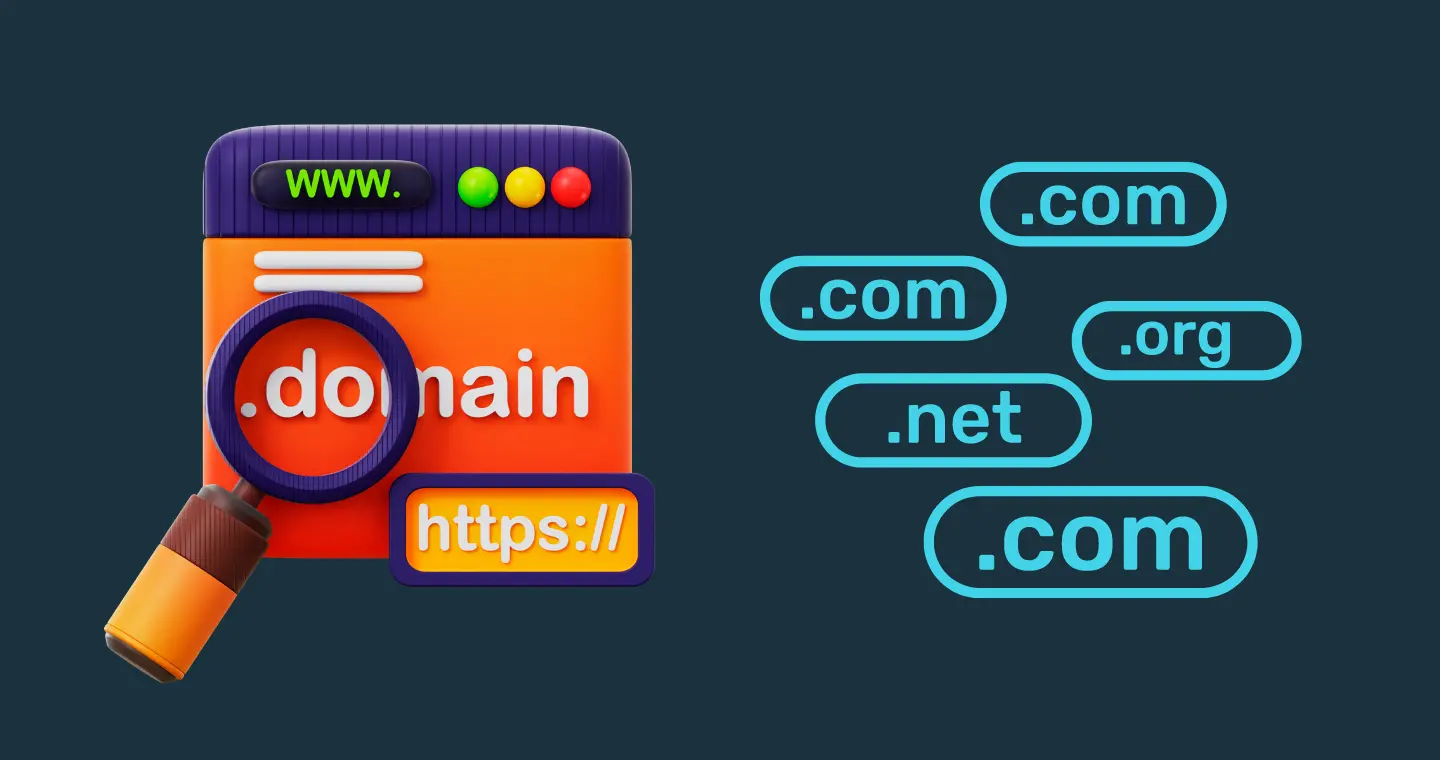
You can use any sequence of letters and numbers for a domain name, and you can utilize it with various name extensions like .com, .in, .net, and more.

The name must be recorded before you can use it. Every name is different. For instance, if someone types in www.domain.com, it will go to your website no one else’s. Thus, two websites can not have the same name.

A domain name typically costs between $10-25 per year.


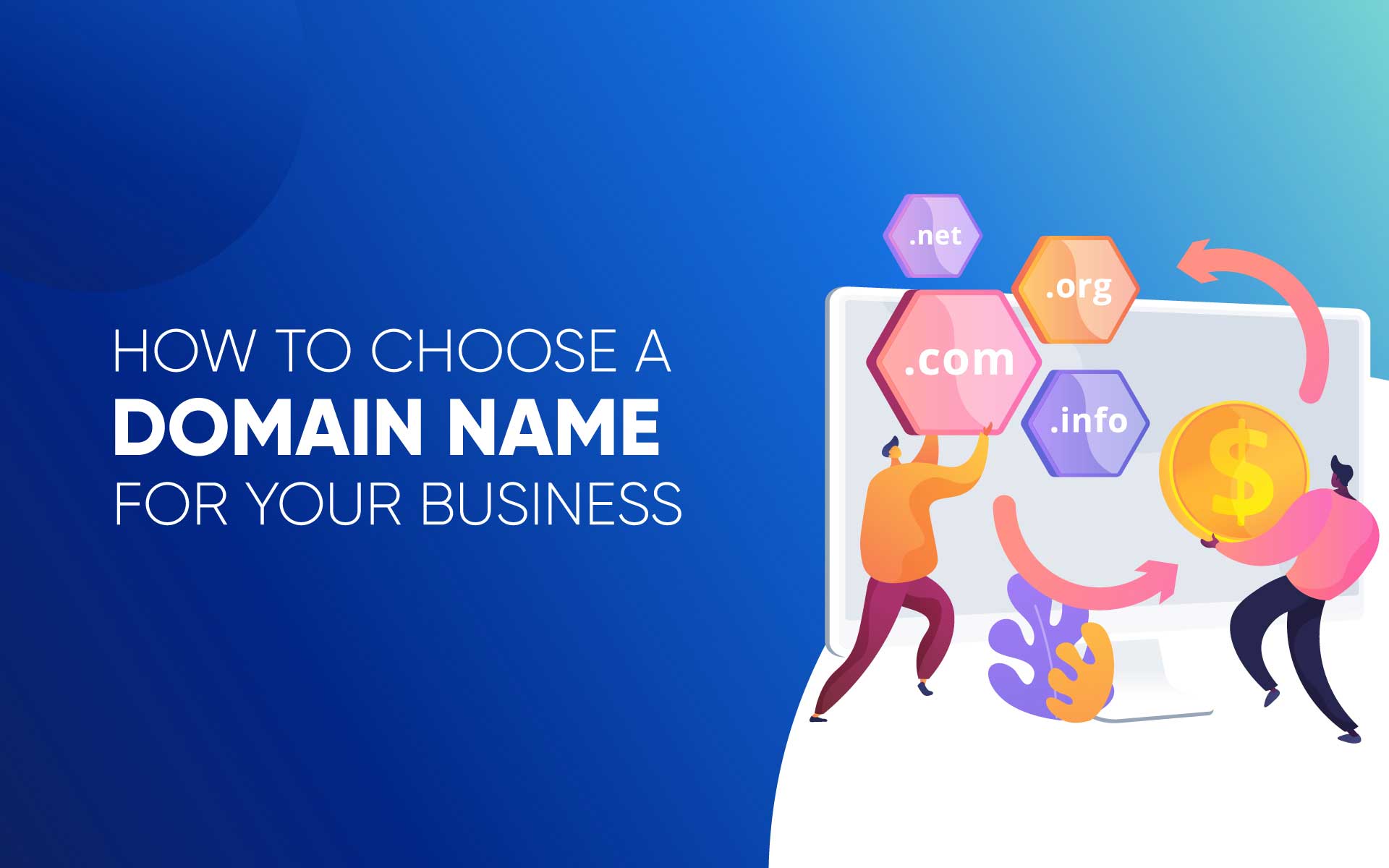
Domain Name


What are Domains Used For?

When it comes to creating and sustaining an online presence, a domain name fulfills several crucial functions. Let’s look at some of the primary arguments for why wp-signup.phpistering a domain name is essential:

1. Ownership and Control

You take total ownership of and control over the address of your website by wp-signup.phpistering a domain name. It implies that while the domain is wp-signup.phpistered to you, no one else can claim it. In addition, you have the authority to choose the wp-signup.phpistrar that will maintain your domain, where it points, and other vital administrative factors.

2. Brand Identity 

Using a domain name that aligns with your company name or brand strengthens your online brand identification. Consistency throughout your website, blog, and other online assets promotes brand identification and projects a professional image. As visitors browse the many pages of your website, they will quickly know and remember your domain.

3. Credibility and Trust

Your online presence gains authenticity and credibility when the domain name is the same as your business name. Moreover,  it fosters visitor trust, encouraging them to interact with your website and take on the necessary activities. You can distinguish yourself from website builders’ free subdomains and show your professionalism by using a custom domain.

4. Memorability

A memorable domain name can have an influence on direct visitors to your website. Visitors are more likely to return to your website or refer it to others if they can quickly recall and input your domain into their browsers. An impactful domain name is short and memorable.

5. Differentiation

You can distinguish yourself from the competition using a unique and memorable domain name. Choose a simple domain name to stand out from competitors. It gives you the chance to make the best first impression and draw in potential customers.

6. Authority Building

A domain name’s age and the caliber of the content, internal links, and backlinks linked with it determine the building of authority in search engine rankings. Due to their history and cumulative online presence, older domains frequently have higher authority, which may have a favorable effect on how visible your website is in search engine results.


Different Types of Domains

There are several different types of domains available for wp-signup.phpistration. Here are some common types:
Different Domain Names

  • Top Level Domain (TLD)

The generic domain extensions displayed at the top of the domain name system are known as top-level domains or TLDs. They are also referred to as generic top-level domains or gTLDs.

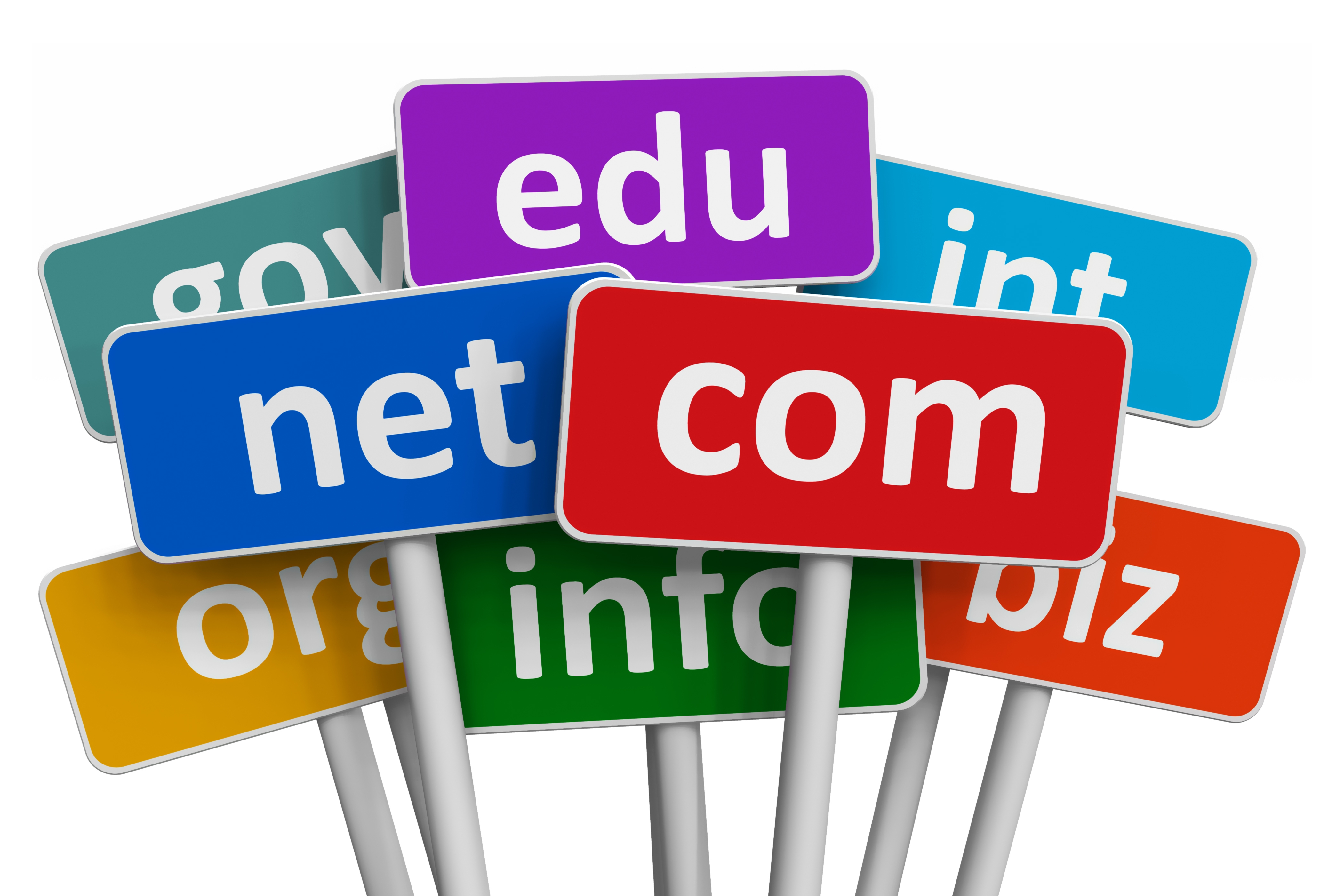
There are hundreds of TLDs, but.com, .org, and.net are the most widely used ones. We don’t advise utilizing other TLDs because they are less popular. For instance, biz, club, info, agency, and numerous others.

  • Country Code Top Level Domain (ccTLD)

Country-specific domain names that terminate in a country code extension, such as .uk for the United Kingdom, .de for Germany, or .in for India, are known as country-code top-level domains or ccTLDs.

Websites that aim to reach customers in a certain nation employ them.

  • Sponsored Top Level Domain (sTLD)

A category of TLDs known as sponsored top-level domains, or sTLDs, has a sponsor that represents a particular group that the domain extension serves.

For instance, .gov is the domain extension for the US government, .mil is the domain extension for the US military, and so on.

  • The second Level Domain (SLD)

The second-level domain is the name that comes before the top-level domain, or TLD. For instance, the second-level domain of the.com TLD in wpbeginner.com is WP Beginner.

Domain wp-signup.phpistrars use SLDs to build a hierarchy for their ccTLD.


How to Choose a Good Domain Name?

How to choose a domain name

1. Make it easy:

Finding a domain name that’s easy to type is important to online success. Hence, if you use slang or words with various spellings, it might be more difficult for consumers to find your site.

2. Keep it short:

If your name is lengthy and complicated, you risk consumers mistyping or misspelling it. Thus, short and easy is the way to go.

3. Use keywords:

Try applying keywords that represent your business and the services you offer. For example, if you’re a Movie website business, you may want to wp-signup.phpister Moviemasti.com or Moviemasti.com.

4. Avoid numbers and hyphens:

People often confuse numbers and hyphens, making it difficult for them to recognize if they are using a numeral or if they are spelling it out, or they can lose or forget the dash. Therefore, if you want these in your domain, wp-signup.phpister the different variations to be safe.

5. Research:

Verify that the name you’ve chosen does not infringe on any trademarks, copyrights, or usage by other companies. Else, it could lead to a huge legal mess that will not only cost you a lot but your domain as well.

6. Act fast:

Domain names sell fast. Thankfully, they’re also cheap, so wp-signup.phpister your preferred names as soon as possible. Moreover, if you’re having trouble getting an available name, wp-signup.phpisters like GoDaddy will suggest alternate names during your domain search to assist you to find an excellent name.


Conclusion: The Power of Domain Names in the Digital World

Lastly, choosing the perfect domain name is an essential step in building a solid online presence. It acts as the URL for your website and is very important for your brand’s recognition, trustworthiness, and identity. Understanding the various domain kinds and taking into account elements like keyword relevancy, length, and simplicity of typing can help you select a domain name that appeals to your intended market. Moreover, be careful to take quick action to secure your desired domain and confirm that it complies with legal criteria. You can leave a lasting impression on the digital environment with a wise domain choice. Consider partnering with a reputable digital marketing company to ensure your domain name aligns with your overall marketing strategy and enhances your online visibility.

Read More

What are Meta Tags in SEO?

Discover the power of meta tags in SEO and unlock the full potential of your website. In this blog, we delve into the fundamental principles of search engine optimization and explore how meta tags play a crucial role in improving your website’s visibility and search rankings. From title tags to image tags, from description tags to robot no-follow and no-index tags, we’ll guide you through the key types of meta tags and their impact on your website’s performance. Are you ready to enhance your SEO strategy and boost your online presence with effective meta tags? If yes, read till the end.


What are Meta Tags?

Meta tags are pieces of text that represent a page’s content. They don’t appear on the page itself, but only in the page’s authorization code. They are really little content descriptors that improve tell search engines what a web page is concerning.
However, the only disagreement between tags you can view and tags you can’t view is the location. Furthermore, meta tags are visible only to search engines and reside in HTML at the page’s head.. Metadata refers to the description of data provided by tags on a page.


What is the Importance of Meta Tags in SEO?

By giving visitors and search engines valuable information about a webpage, meta tags are essential to search engine optimization (SEO). The significance of meta tags in SEO is explained in the following points:

Importance of Meta Tags in SEO

Improved Search Engine Visibility

Meta elements like the title tag and meta description have a direct impact on how a webpage appears in search engine results. Moreover, optimizing tags with keywords and descriptions improves website exposure, search engine comprehension, and content understanding.

Click-Through Rates (CTR)

Effective meta tags can have a big influence on how many people click through search engine results. The page’s content is summarized in the meta description, while the title tag acts as the page’s clickable headline. Moreover, developing intriguing and educational tags to increase clicks from visitors who find your material relevant to their search queries.

User Engagement

By clearly defining the expectations a user has for the content of a webpage, meta tags in SEO help to improve the user experience. Users are more likely to click through and stay on the website when they encounter accurate and interesting meta tags in search results, which raises engagement metrics like time on site, page visits, and bounce rates. This user interaction conveys value to search engines and may improve search results.

Keyword Optimization

You can put relevant keywords relating to the content of the webpage in meta tags. Your page will be more relevant in search results if you use targeted keywords in the title tag and meta description to align it with particular search queries. It makes it more likely that your page will rank for pertinent keywords by assisting search engines in understanding the goal and subject of your page.

Social Media Sharing 

When sharing web pages on social networking networks, meta tags are also quite important. Meta tags frequently include the title, description, and thumbnail picture when a website is shared. By making these tags as effective as possible, you can manage how your material appears on social media, boosting its visibility and encouraging readers to visit your website.

Structured Data and Rich Snippets 

Structured data can be included using certain meta tags, such as schema markup. Search engines can interpret the text more thoroughly and meaningfully because of this additional information. Structured data enhances the visual appeal of search results by incorporating additional contexts such as star ratings, reviews, and product details, thereby creating rich snippets. Rich snippets can increase click-through rates and draw more attention.


Types of Meta Tags

In a web page, a lot of various HTML tags can be used. We’re simply going to concentrate on a few highly used meta tags in SEO.

Meta Tags Types

Title Tag

The title tag instructs search engines to show the specified title on SERPs. It can be an abbreviated version of the website’s headline. The title tag also determines the title that will appear on the page when it is shared on social media and in browser tabs. It is simpler for search engine crawlers to read, categorize, and rank your content if your web pages have title tags.

Image Tags

Image tags, also known as alt tags or alt attributes, are HTML attributes that provide textual descriptions for images on a webpage. These meta tags in SEO are necessary for accessibility. In addition, image tags offer alternative text for visually impaired individuals and enhance search engine indexing and positioning.

Description Tags

Description tags, also known as meta descriptions, are HTML elements that provide concise summaries of a webpage’s content. Search engine results display a page’s content overview below the title tag, providing readers with a quick overview. By affecting click-through rates and user engagement, description tags are essential to SEO. Website owners can write interesting and relevant descriptions to boost organic traffic and search results visibility.

Keyword Tags

Keyword tags also referred to as meta keywords, indicate the primary keywords or phrases associated with a webpage’s content. In the past, they played a significant role in SEO. However, search engines now prioritize other factors for ranking. While keyword tags are no longer a ranking factor but are still useful for internal reference and organization by website owners and content creators.

Robot No-follow and  No-index Tags

No-index and Robot No-follow tags are crucial for website SEO. No-follow tags tell search engines not to follow a particular link, stopping it from affecting search results. On the other side, No-index tags prevent search engines from indexing specific web pages, preventing their inclusion in search results. These tags optimize search engine visibility and traffic flow by indexing and following relevant pages for optimal results.


Conclusion

In conclusion, meta tags play a crucial role in search engine optimization (SEO) strategies. They are HTML tags that provide information about a webpage to search engines and website visitors. By strategically optimizing meta tags, businesses can enhance their online visibility, improve click-through rates, and attract targeted traffic to their websites. Don’t overlook the power of well-optimized meta tags in your SEO efforts. Contact Digital Notebook, a leading SEO Company in Noida today to enhance your website’s visibility and attract the right audience to your online presence.

Read More
Viral marketing concept.

What is Viral Marketing and Why it is Important?

Viral marketing also known as word-of-mouth marketing. It is a powerful strategy that aims to rapidly spread information and messages through various channels online and offline. By creating highly shareable and engaging content, marketers seek to generate buzz and interest in their products or brands. Moreover, this blog explores the concept of this effective marketing, its importance, and its techniques


What is Viral Marketing? 

Viral marketing is a marketing strategy that tries to distribute information and messages quickly through social media and other digital platforms to build interest in a service or brand. Successful marketing initiatives frequently exhibit specific traits, such as being extremely shareable, emotionally compelling, shocking, hilarious, or thought-provoking. Viral marketing has become more common because of social media, blogs, and other online channels, but offline strategies like word-of-mouth, street marketing, and public stunts can also help a campaign go viral.

Active Viral Marketing


How Viral Marketing Works?

An objective of viral marketing is to stimulate interest in a service, product, or brand by generating buzz. It works by using social media and online groups to swiftly and broadly convey a message.

Let’s take a closer look at how it works.

  1. Create Shareable Content: The first step in viral marketing campaigns is creating interesting, entertaining, or educational content. These materials can be in blogs, infographics, videos, or still photos. In short, the main purpose is to create content that creates curiosity among people to share.
  2. Share the Content: Sharing the content on social media, online forums, or other digital channels is the next step. Digital marketers can easily reach a wider audience by targeting the correct demographic and using the proper hashtags.
  3. Encourage Sharing: Digital marketers must motivate users to share the material with their networks if they want it to become viral. Incentives, social media challenges, or a straightforward request to share information with others can all be used to accomplish this.
  4. Monitor and Measure: Digital marketers must monitor the campaign’s reach, engagement, and conversion rates to make sure it is a success. Analytics tools, social media monitoring tools, and other digital marketing tools can all be used for this.

Techniques:

Knowing about Word-of-Mouth isn’t alone enough unless you know about its various methods. So, there are ways through which you can make your brand go viral. The following are some tips and techniques-

1. Make videos

Viral videos are more frequently seen than any other form of media. Videos are catchy and attract more people on social media platforms.

2. Put the content for free

Anything which is available for free gathers more public and with more public and views is better chances at making a thing go viral.

3. Public Awareness

This is the most essential part of viral marketing. If you can reach out to people and twitch their emotions and get them to feel something that is really an issue today, then you are on the right track. Also, it is a good way to humanitarianly address people.

4. Out of the Box

Anything out of the box becomes viral if it has some substance in it, however, even a bad singing video can go viral. So it is a matter of luck and an unpredictable idea to break records.

5. Social Reach

By now, you know the major share of making a thing viral goes to the public who constantly share and view it. Hence for anybody who is trying to attempt it, must increase its visibility by taking help from the influencers.

6. Humor

Humor is a double-edged sword. It will either make it a BIG HIT or a MISS! So one needs to understand how to make things appeal to people without hurting anyone’s emotions.

Viral Marketing - What Is It And When To Use It? -


Why is Viral Marketing Important?

Viral Marketing holds significant importance as it offers a highly efficient method for promoting products, services, or brands through word-of-mouth, social media, and online sharing. It allows businesses to establish brand recognition, attract potential customers, and thus drive conversions, all at a considerably lower expense compared to conventional marketing approaches. 

Below are the few reasons highlighting the importance of viral marketing:

1. Cost Effective:

Social sharing is a cost-efficient way to promote a product or service, as it relies on user-driven sharing rather than paid advertisements. Businesses can spread their message quickly and effectively, reaching a wide audience without major investments.

2. Increased Reach: 

As people spread the information across their networks, viral marketing can swiftly and effectively help businesses reach a bigger audience.

3. Increased Credibility:

When consumers promote a product to their friends and family, it might be considered a more reliable endorsement than if the recommendation came directly from the business.

4. Builds Brand Awareness: 

In a crowded market, this effective marketing can help increase brand recognition and thus generate conversation about a good or service.

5. Drives Engagement: 

It can motivate consumers to interact with the message and spread it to others, as a result it enhance customer engagement and brand loyalty.


Bottom Line

Viral marketing, commonly referred to as word-of-mouth marketing, is an effective tactic that makes use of social networks and internet sharing to disseminate news and messages quickly. Businesses can generate buzz, raise brand awareness, and reach a larger audience at a lesser cost by producing highly shareable content. Moreover, it has developed into a crucial instrument in the digital marketing environment for successfully promoting goods and companies. Take our expert digital marketing services for even better results.

Read More

Can Artificial Intelligence Replace Human Intelligence?

Artificial Intelligence (AI) is a cutting-edge technology that enables machines to acquire intelligence comparable to humans. It achieves this through the utilization of Deep Learning, Machine Learning, and Data Science algorithms.
Cutting-edge technologies, such as neural networks, natural language processing, robotics processing, cognitive services, and mixed reality (AR/VR), contribute to the continuous growth of intelligent machines. Consequently, these intelligent systems make decisions resembling our own decision-making processes in daily life. The merits of human intelligence over artificial intelligence have become subjects of debate due to this innovative development.


Artificial Intelligence: An Overview

Artificial intelligence (AI) is the programming of machines that simulate human intellect. The goal of artificial intelligence (AI), a cutting-edge discipline, is to develop intelligent systems that can perceive, reason, learn, and make decisions. It incorporates techniques from deep learning, machine learning, and data science that enable robots to duplicate cognitive abilities.

Deep learning, machine learning, and data science all employ artificial neural networks to analyze data, whereas deep learning and data science use algorithms to learn from data.

In addition, the dynamic and expanding field of artificial intelligence (AI) uses deep learning, machine learning, and data science techniques to enable robots to think and behave like people. It is vital to appropriately direct its development and make sure that it is morally and favorably incorporated into our life.

Nowadays, AI is pervasive and helps most phone cameras take better photographs. It also helps us manage our finances and is present in many aspects of our daily lives. The future of AI holds great promise as it continues to advance and evolve.


Advantages of AI Over Human Intelligence

 AI offers unique capabilities and benefits over human intelligence, surpassing human limitations in various domains.

Artificial Intelligence

  • Speed and Efficiency: In fields like banking, healthcare, and manufacturing, faster decision-making and problem-solving are made possible by AI systems’ amazing speed at processing and analyzing data.
  • Accuracy and Precision: In contrast to humans who become tired, bored, or distracted easily, AI systems can continually do jobs with great accuracy and precision. It is particularly true for medical diagnostics, as AI is more accurate than human specialists in picking up on minute patterns and abnormalities.
  • Processing and Storage Capacity: In comparison to human memory capacity, AI systems can manage and retain enormous volumes of data and information, giving them quick access to a massive body of knowledge. It is especially helpful in customer support, where chatbots powered by AI can respond with promptness and accuracy.
  • Multitasking and Scalability: Unlike humans, who have constraints, AI systems can do numerous jobs at once without affecting performance. AI systems offer flexibility and adaptability by being quickly scaled up to accommodate rising workloads or extend into new fields.
  • Objectivity and Lack of Bias: Artificial intelligence (AI) systems are made to objectively examine data and make judgments based on predetermined criteria, reducing the influence of individual biases or emotions. It encourages consistent and unbiased decision-making and reduces bias or human mistakes.
  • Exploration of Uncharted Territories: Deep-sea exploration, catastrophe response, and space exploration are all made possible by AI-powered robots, which help us learn important lessons from these difficult conditions.
  • Continuous Learning and Improvement: Through the use of machine learning techniques, AI systems may learn from their experiences and develop, enabling them to evaluate data, spot trends, and improve their performance over time. As they gain experience, they can use this to make predictions or judgments that are more correct.

Introduction to Human Intelligence 

Human intelligence refers to the unique mental capacity that sets us apart from other living beings. It encompasses our capacity for thought, reasoning, learning, and problem-solving. Simply defined, it’s our intelligence and cunning. Human intelligence enables us to comprehend the environment we live in, interact with others, and make sense of complicated data.

Technical Skills: How to Them Master in 2022 | Emeritus India

Furthermore, there are several facets to intelligence. It consists of various talents and abilities, including language use, attention, and memory. Some people may excel at arithmetic, while others may have a natural talent for the arts or music. The ability to adapt to new circumstances and think of original solutions can also be considered a sign of intelligence.


Benefits of HI over Artificial Intelligence

There are various distinct advantages that HI has over artificial intelligence. Some of them are listed below:

  • AI is Emotionless: Without a single doubt, machines are far more successful at running, but they cannot replace the interpersonal relationships that define a team. Robots are unable to form relationships with people, which is a crucial aspect of team management.
  • High Creation Costs: As AI is always evolving, hardware and software must also keep pace to meet modern demands. Machines require expensive refurbishment and maintenance work. Due to the complexity of the devices, their construction requires significant expenditures.
  • Not Thinking Beyond the Box: Machines can only perform the tasks for which they are created or programmed. If they are asked to perform anything else, they frequently malfunction or produce incorrect results.
  • Human beings make the ultimate decisions: Human intelligence holds a distinct advantage over artificial intelligence (AI) in decision-making due to its contextual understanding. Humans are capable of taking into account emotions, ethics, social dynamics, and cultural quirks, resulting in more complex and ethically aware decisions. Human intelligence also enables flexibility and adaptability, enabling adaptations in response to shifting conditions. These distinctive qualities enhance AI systems, resulting in more comprehensive and informed conclusions.

Artificial Intelligence v/s Human Intelligence

Below are some comparisons between Human Intelligence and Artificial Intelligence:

Artificial Intelligence vs human intelligence

Nature

AI aims to create computers that can replicate human behavior and perform human-like tasks. Whereas human intelligence (HI) aims to adapt to new contexts by combining various cognitive processes. While machines are digital, the human mind is analog.

Learning Power

Human intelligence revolves around learning from various situations and previous experiences, encompassing the process of trial and error in one’s life. It centers on logical cognition and ethical behavior, drawing insights from mistakes made.

In contrast, artificial intelligence is limited in its ability to reason, as robots lack the understanding of human thought processes. Although AI-powered systems can effectively perform specialized tasks, investigating a new application area can take them years to acquire a specific set of skills.

Functioning

Humans use their brains’ memory, processing ability, and cognitive capacities to think, but AI-powered computers rely on the input of data and specific instructions.


Final Thoughts

Human intelligence (HI) remains indispensable despite considerable advances in artificial intelligence (AI) due to its distinct benefits. HI encompasses our capacity for flexibility, contextual knowledge, and moral judgment.
Humans have the ability to consider emotions, social dynamics, and cultural nuances, leading to more thoughtful and ethically conscientious decisions.

Human intelligence also enables flexibility and adaptability, enabling adaptations in response to shifting conditions. AI systems may have great processing speeds, accuracy, and depth, but they lack the complexity and depth of human intellect. However, in the future of AI, we may see many changes as AI is continuously evolving and adding new features.

In summary, human intelligence offers unique qualities that cannot be replicated by AI alone. The collaboration between human intellect and AI holds immense potential for driving innovation and addressing complex challenges in the future.

Read More

Social Media Advertising Tips to follow in 2023

Social Media Advertising is a must-have if you want to reach a targeted audience quickly and effectively. The best part is that it can generate organic leads without requiring a significant financial investment.

In this blog, we will focus on the key factors to successful social media advertising, including planning, implementation, and result monitoring. Moreover, we will provide valuable tips and suggestions to help your business maximize the potential of social media platforms.

So, let’s dive in! 


10 Social Media Advertising Tips to Follow in 2023

By implementing these strategies, you can unlock the full potential of social media advertising for your business. So, don’t wait any longer – utilize our expertise and comprehensive approach to elevate your social media marketing efforts.

Social Media Advertising


1. Pick the Right Social Media Platform

First and foremost, it is crucial to select the appropriate social media platform for your digital marketing endeavors. Just as things fall into place when they occur in the right time and space, the same principle applies to reaching your target audience effectively. Why is this selection process so vital in social media advertising? Without it, your intended message may get lost amidst the noise.

By publishing your message on the right platform, at the right time, and with the right content, you can ensure that it resonates with your desired audience. 


2. Use an Engagement Tracker to Optimize Engagement

Engagement is not merely a superficial concept; it holds immense significance in the realm of social media marketing. The sooner you recognize its importance, the better equipped you’ll be to harness its potential. Utilize the finest engagement tracker available among the myriad options at your disposal.

Take proactive measures to stay on top of your advertising campaigns and extract maximum results from your campaigns. By employing the right tools and delving into the analytics of your engagement progress reports, you can streamline your efforts, save valuable time, and ensure the satisfaction of your audience.


3. Continually Explore New Ways to Increase Conversions

In the ever-changing landscape of social media, embracing innovation is key to staying relevant and driving conversions. Platforms such as Instagram consistently introduce new features and updates that facilitate enhanced user engagement. Therefore, by actively seeking out and adapting to these advancements, you can discover fresh avenues for maximizing your conversion rates and effectively reaching your desired target audience.


4. Push Beyond Your Comfort Zone With Advanced Tactics

Marketing should never be considered a mindless routine. To succeed, it’s crucial to think outside the box and explore diverse approaches that align with your business goals. Stepping out of your comfort zone, honing your skills, embracing competition, and learning from setbacks is essential. Embrace advanced social media advertising techniques to keep your products and services afloat and stay ahead in the dynamic marketing landscape.


5. Develop a Powerful Strategy for Social Media

Great success comes in your hand with a great strategy. You might have an amazing plan in your mind, but staggering on the strategy can sink your dreams like Titanic. That means you should come up with a good strategy, spend time on it, and see if formulated what goods it will bring to your business.

It is a dynamic tool in the field of marketing. Develop it and allow it to bring colors to your social media advertising.


6. Avoid Audience Overlap

Yes, audience overlap is a significant error, comparable to having duplicate files on your mobile and fretting about storage. This occurs when marketers allocate funds to multiple campaigns targeting the same audience. Engaging in such wasteful activities is unacceptable for any brand. Instead, it is crucial to consider your target audience and address their needs efficiently by using a single campaign or advertisement.

Engage Audience on Social Media


7. Don’t Misread Your Reporting

Data is important because it gives you concrete insight into your performance. But if you are reading it incorrectly? This way you might even misread your progress in past months. Therefore, make sure you give a lot of time reading your data wisely. Track your progress using tools, don’t think that you can manually do this because you are good at mathematics. Always keep in mind that bad data interpretation results in future poorer decisions, which has the worst effects on social media advertising!


8. Create Better Graphics for Your Ads

Graphics play a significant role in ads, wouldn’t you agree? Visuals often capture visitors’ attention more than the accompanying text. The graphics act as invitations, piquing people’s interest and enticing them to read further. Therefore, it is crucial to prioritize the quality of the graphics used in your social media advertising. By doing so, you can elevate your performance from average to outstanding.


9. Build Better Landing Pages for Your Ads

Creating a landing page improves customer understanding. Sometimes, despite compelling content, clicking on a link can lead to disappointing and irrelevant landing pages. Avoid tarnishing the customer experience and diluting your content. Therefore, it is crucial to crafting engaging landing pages that align with your message and provide value.


10. Use Social Media to Keep Customers Happy

Ultimately, social media serves as a crucial platform to engage with customers effectively. It enjoys widespread popularity, particularly among teens, making it an ideal avenue for businesses. So, by redefining your marketing strategy and actively interacting with users on platforms like Instagram, Facebook, and Twitter, you can foster strong connections and leave a lasting impression on your valued customers.


Final Words

Additionally, now that you are familiar with the ins and outs of social media, you understand that it offers much more than casual conversations with friends. This comprehensive guide has shed light on its immense potential to significantly enhance your business growth. 

So, why wait? Take advantage of our social media marketing services and unlock the immense potential of social media advertising for your business. With our expertise and comprehensive approach, we are dedicated to helping you achieve remarkable results in your social media marketing efforts.

Get started today and experience the transformative power of social media advertising. Good luck on your journey to social media success!

Read More

How Importance is Social Media for Business?

Social media is an important part of today’s digital landscape, as it offers unparalleled opportunities to connect, communicate, and share information with billions of active users. Additionally, it facilitates cooperation with influencers, enabling effective content distribution, direct contact with followers, and enhanced brand visibility and recognition. Therefore, social media for business is vital. It strengthens digital presence by increasing exposure, promoting customer acquisition, encouraging meaningful interaction, managing online reputation, offering valuable market data, and facilitating prompt customer assistance.


What is Social Media?

The channels that companies might use for marketing are referred to as social media. It entails setting up profiles on various social media platforms to assist a business in connecting with its current clientele and attracting new ones. In addition, the best thing about social media marketing is that all you need is an internet connection to use it. While creating social media profiles for your company does not need payment, social media advertisements do. Furthermore, the best social media marketing approach involves utilizing a variety of platforms to draw in and keep your target audience.


What is the importance of Social Media for business?

Small companies are looking for innovative ways to improve their marketing efforts and gain awareness. Social media is a terrific platform for promoting content and raising brand recognition since statistics demonstrate that customers are using it.

There are number of reasons why it’s imperative for businesses to be on social media. Here are a few of the important factors that make having a social media presence for businesses essential.

Below are 6 points for the importance of social media for business:

Importance of Social Media For Business
Improved Brand Awareness

A stress-free and successful digital marketing tool that can be used to boost brand awareness is social media. Create social media profiles for your company and begin networking with others to get things going. Moreover, greater than 91% of marketers claim that social media marketing efforts greatly increased user experience and brand exposure. Your company will profit from having a social media presence for your brand, and with wp-signup.phpular use, it may quickly attract a large following.

Derives Traffic to Your Website

Small business can promote content on diverse well-known social media channels, including Facebook, Messenger, and Instagram stories. Businesses may showcase their knowledge and convince customers that they are worth a chance by offering numbers and interesting information about their goods and services. It might make them distinctive from their rivals.

Creates Community

A digital marketing tactic called social media marketing encourages people to talk about a company or its goods. Getting to know your community and hearing about their stories can assist increase the presence and awareness of your business. Try your utmost to address any unfavorable feedback right away. Whether or not people select your brand above the competition depends on how you respond to both good and negative customer feedback.

Cost-Effective

The most economical method of advertising, without a doubt, is through social media marketing. Not only is wp-signup.phpistering and creating an account free, but if you choose to employ sponsored advertising, you can start modestly. By being frugal, you can maximize your return on investment while also preserving cash for other marketing and business costs. By spending a little time and money, you can significantly improve your conversion rates and achieve a return on the initial investment.

Customer Satisfaction

Social media for business is crucial for networking and communication, and giving a brand a voice is crucial for enhancing its overall image. Customers like receiving customized responses in place of automated messages after posting comments on a page. A personal message that is composed by a brand that values its clients is viewed favorably.

Marketplace Awareness

Finding the requirements and desires of consumers can be done with the use of marketplace awareness. You may learn about consumers’ interests and viewpoints that you might not otherwise know by keeping an eye on what they are doing on your profile. Social media can assist you in learning more about your sector and gaining a better grasp of it. Once you have a sizable following, you can use other tools to look into the demographics of your customers.


Positive Stats: Benefits of Social Media for Business

Social media for business has several advantages, including greater customer involvement, boosted website traffic, increased customer loyalty, and useful market information for strategic decision-making. Below are the positive social media stats:

importance of social media
  • Social media is used for brand discovery by 55% of consumers

Social media is a tool that consumers use to research or find new brands. Through influencer marketing, sponsored advertisements, social networking, user-generated content, and other channels, companies are introduced to social media users.

  • Social media interaction with brands is preferred by 68% of consumers

Not all customers feel at ease talking to a brand. However, a lot of customers discover that social media makes it simpler to get in touch with a brand or company.

  • 43% of consumers increased their use of social media to find new products

Customers use social media in many ways. To find new items, many consumers use social media as a search engine.

  • 78% of customers make purchases from businesses that offer a satisfying social media experience

Customers anticipate brands to be responsive, interesting, and welcoming on social media. If a business offers a satisfying social media experience, many customers will purchase from them.

  • 80% of executives see the value of social media marketing

Many corporate leaders recognize the advantages of social media marketing. These senior executives are aware of how social media may influence their Business.


Wrapping Up

Using the power of social media for business success is essential in today’s digital landscape. Moreover, with billions of users actively using it, social media provides unmatched chances for connection, communication, and information sharing. Consequently, it improves brand recognition, allows for direct communication with followers, encourages customer interaction, and offers insightful market data. Additionally, it presents an affordable approach to building a community, promoting website traffic, raising brand exposure, and improving customer happiness.

So, are you ready to unlock the true potential of social media for your business? Contact Digital Notebook today to discuss how our Social Media Marketing Services can boost your online presence, engage your customers, and drive business growth. Don’t miss out on the incredible opportunities that social media has to offer. Let us help you leverage its power for your success.

Read More

What is Digital Marketing Strategy?

A digital marketing strategy utilizes selected marketing channels, including paid media such as Google ads, earned media, and owned media. Without a well-defined plan, executing a this strategy is akin to navigating a new city without GPS, leading to mistakes and delays. Moreover, this blog explores effective digital marketing strategies, providing inspiration for your own approach. We will examine key components of various approaches, such as content marketing and social media advertising, illustrating how you can leverage them for your business.


Understanding the Essence of Digital Marketing Strategy

A digital marketing strategy is a plan for how you’ll use your business’s digital marketing channels to achieve certain goals. However, it might also include goals for any digital platforms, websites, content assets, or sponsored advertisements that you have access to, as well as goals for both paid and unpaid media. Furthermore, your digital marketing strategy should be distinctive to your company and your goals.


Frameworks of an Effective Digital Marketing Strategy

Building an effective digital marketing strategy starts with a strong foundation. From target audience analysis to data analysis, every step in the digital marketing process shapes success. Furthermore, discover the frameworks that work for successful online campaigns. Find out how to match target audience analysis, good content creation, and effective campaign optimization for a strong digital marketing strategy.


Understanding Your Audience

Understanding your target market’s requirements and goals can help you to personalize your marketing strategies and connect with them. Moreover, making use of analytics, surveys, feedback, and team engagement, generating buyer personas becomes a potent instrument for successful marketing.

  • Analytics from the websites, email marketing software, and social media accounts you currently have
  • Forms for surveys and feedback
  • Speaking with your customer service and sales teams
  • Create buyer personas to focus marketing efforts on customers’ difficulties and goals.

Establish Your Goals

A more precise and compelling aim should be tied to your whole digital marketing strategy rather than general objectives like “promote your business” or “increase your audience.”

Setting SMART goals is like creating a roadmap for your marketing success. Moreover, when you set SMART goals (specific, measurable, attainable, relevant, and time-bound), you make sure you have a track record of progress, realistic goals, consistency with your overall marketing plan, and a time frame for achieving them. SMART goals are like a GPS to your marketing efforts. They point you in the right direction for effective results and help you stay on track.

Digital marketing Strategy

Review Your Previous Efforts

Although formulating a plan is difficult work, it typically doesn’t involve starting from scratch. Perform an audit of your prior efforts to determine what has and hasn’t been performed successfully. In order to avoid continually inventing the wheel, now is a good time to gather content and other materials that may be reused. For example, a quote from a previous blog post can be an excellent quote for your Instagram account.


Determine Your Nuts and Bolts

Even while your creative side is flowing, you still have a lot of practical logistics to think about. The act of planning involves more than just daydreaming; it also entails determining what is possible given the limitations. Moreover, before planning your strategy, keep the below-written points in mind.

Budget: What budget do you have for digital marketing?

People: Who will be in charge? Will you have to delegate any responsibilities or tasks?

Channels: Which marketing platforms will you employ, and what objectives will be associated with each platform?


Plan Everything Out

The procedures required to develop a digital marketing campaign management template are the information in this book that are most crucial. It entails making an easy calendar that unites all various components by mapping a single email campaign on the calendar and then adding other components from there. Any process needs trial and error; therefore, it’s crucial to be willing to undertake both in order to determine the optimal course of action.


Why there is a need for the Strategies?

You can lose money, waste time, and accomplish nothing by promoting your business online if you don’t have an internet marketing strategy for your brand or if you choose the incorrect online marketing technique.

Today’s opportunities and challenges provide a number of challenges that necessitate the use of diverse internet marketing strategies and solutions. Digital marketing strategies that have worked well for one target audience may not be the best ones for another. Similar to this, internet marketing strategies that were successful a year ago could not be effective now.

With a specific digital marketing strategy, you can

  •       Recognize marketing gaps
  •       Better and more rapid income creation
  •       Expand your reach and better target your audience
  •       Increase leads, sales, and interest.
  •       Conserve your time, money, and resources.

5 Best Strategies for Digital Marketing

Digital marketing strategies

1. SEO (Search Engine Optimization)

SEO is the process of raising a website’s SERP position for desired keywords or related queries. By using SEO, you may increase the visibility of your website on search engines, which will help you draw attention and draw in new and returning clients. Using SEO methods can help various organizations, from eCommerce to personal injury law firms. Of course, SEO for e-commerce sites would call for a different approach than that for websites for legal firms.

Different types of SEO:

On-page SEO: is carried out specifically for users and search engines on websites.

Off-Page: Although link building for websites is part of off-page SEO, it is not done directly on websites.

Technical SEO: Crawling, indexing, rendering, and website architecture are all parts of technical SEO.


2. Content Marketing

A marketing strategy known as content marketing focuses on producing and disseminating educational, entertaining, and inspirational information to gain the trust of consumers and raise brand recognition

There are three distinct phases:

Awareness Phase : At this time, a potential consumer is either seeking knowledge or a solution to a specific issue.

Consideration Phase : During this time, the prospective client is more interested in knowing more about your good or service to address their issue.

Purchase Phase: It is the final stage in which the user searches for instructions on how to buy anything.


3. Social Media Marketing (SMM)

Social media marketing is the practice of promoting a business’s goods and services using social media networks or platforms. Achieve the required marketing and branding objectives, it involves developing content that is specifically designed for each social media site.

Furthermore, this kind of digital marketing strategy frequently includes uploading articles, photographs, videos, or other types of material that interest the audience, as well as paying for social media advertisements. Use social media management tools to post and schedule content across various social media channels. Below are some popular social media channels:

  •       Facebook
  •       Twitter
  •       Instagram
  •       Pinterest
  •       LinkedIn

4. Search Engine Marketing (SEM)

SEM is also a lucrative digital marketing strategy. The goal of SEM is to position your company or website at the top of search results, much like SEO, but using sponsored ads like Pay Per Click, or PPC. In order for users to see a brand’s advertisement when they search for certain phrases, advertisers place bids on such keywords.  Additionally, to increase online traffic, many people employ corporate search marketing. Moreover, when a user clicks on the advertisement, the brand is charged.


5. Email Marketing

Email marketing is the practice of distributing promotional emails to your target market to boost sales of your goods or services. wp-signup.phpardless of whether you want to increase sales or brand recognition, it is still one of the most affordable ways to market your company. Moreover, by observing these email marketing trends in 2023, effective email campaigns will become a reality.


Wrapping Up

In today’s ever-evolving digital landscape, a well-thought-out digital marketing strategy is the cornerstone of any successful business. It enables you to reach and engage your audience, generate traffic to your site, and ultimately boost your sales and brand awareness.

Without a solid strategy, you’re at risk of wasting your time, money, and energy on marketing stunts that don’t add up to much.

At Digital Notebook, we understand the importance of a robust digital marketing strategy and are here to help you navigate the complex digital landscape. Our team of experts specializes in creating tailored strategies that align with your specific goals and objectives. We combine data-driven insights, innovative techniques, and the latest marketing tools to deliver exceptional results. Contact us today and unlock the full potential of digital marketing services!

Read More

Content Management System (CMS): A Comprehensive Overview

Effective content management and delivery are crucial for businesses and organizations in the digital age. A content management system can be useful in this situation. A software platform known as a content management system enables users to easily generate, edit, organize, and distribute digital information. Moreover, it makes the development and management of content easier, enabling companies to have a lively online presence. In this post, we shall go into the idea of content management systems, their features, advantages, and well-known examples.


What is Content Management System?

A CMS or content management system is a piece of software that enables the production and distribution of digital material. Furthermore, a content management system (CMS) enables you to quickly change your digital experiences before publishing them to the web and other digital media. It’s the method through which you organize the digital material to offer to a site visitor, and it’s the layer that stands between you as an organization and the digital experience your client engages with.

Moreover, there are several different kinds of content management systems out there. The top three are as follows:

Open-source CMS: rather than being owned by a single corporation, the software is maintained by a group of developers. The functionality of the program may be developed and enhanced by third-party developers who have access to the source code.

Cloud CMS: a ready-made system that can be used without the need to download any gear or software. Users may securely manage online material in the cloud and have it readily available on various devices.

Proprietary CMS: A licensing fee is required for proprietary CMSs since they are the exclusive property of the business, group, or person that developed them. The price may be an upfront lump sum payment, a wp-signup.phpular monthly charge, or an annual fee.


Key Features of a Content Management System

  • Content Creation and Editing: The simplicity with which material may be created and edited, including text, photos, videos, and other types of media.
  • Content Organization and Structuring: The capacity to categorize or arrange stuff in a hierarchy using tools like categories, tags, or folders.
  • User Management: The capability of managing user roles and permissions, which enables various users to have various levels of access and control over the material.
  • Workflow Management: The ability to build and manage content pipelines, including multiple user collaboration and content clearance procedures.
  • Publishing and Delivery: The capacity to offer material in numerous formats across many platforms, including websites, mobile applications, and social media channels (HTML, XML, PDF, etc.).
  • Templates and Themes: The availability of pre-made templates and themes that allow users to alter the appearance and feel of their websites or applications without using any programming language.
  • Security and Access Control: Implementing robust security measures to protect content from unauthorized access, including user authentication, data encryption, and secure user sessions.
  • Mobile Responsiveness: Ensuring that the CMS’s user interface and published content are responsive to various screen widths and suited for mobile use.
  • Backup and Recovery: Provide tools for frequent content and configuration backups and facilitate simple system recovery in the event of data loss.

Benefits of Using CMS

Content Management System

User Friendly

Using a CMS has several advantages, one of which is user-friendliness. Users can manage material without having any technical knowledge thanks to user-friendly tools and straightforward interfaces. Furthermore, it facilitates rapid upgrades, lessens dependency on coders, and streamlines content generation.  Additionally, users that utilize user-friendly CMS platforms can easily take charge of their content management chores.


Customization Options

Businesses can adapt their website or application to meet their unique demands thanks to the customization capabilities provided by a CMS. Moreover, businesses can establish a distinctive and recognizable online presence by utilizing tools like adjustable templates, themes, and layouts. Additionally, customized plugins and extensions offer a more individualized user experience while enhancing functionality.


Easy Collaboration

A content management system (CMS) enables simple team collaboration and the rapid production, modification, and approval of material. With tools for workflow management, real-time changes, and shared access, CMS platforms make it easier for teams to collaborate and create high-quality content.


Instant Updates

By allowing for immediate adjustments, a CMS ensures correct and timely content alterations without the need for technical expertise. Due to their adaptability, businesses can quickly respond to market developments, update their content, and maintain a vibrant online presence. However, quick changes made possible by a CMS improve the user experience and maintain the freshness of information, encouraging engagement and relevance.


SEO- Friendly

Your website will benefit from using a CMS if it is SEO-friendly. Also, CMS solutions include options for customizing meta tags, URL structures, and XML sitemaps, which improve search engine optimization. Therefore, this raises your site’s exposure in search results, strengthens your organic ranks, and brings more relevant visitors to your site, which eventually results in improved engagement and conversion rates.


Mobile Friendly

By optimizing content for multiple screen widths, a CMS guarantees mobile-friendly websites. Therefore, users can offer a smooth surfing experience on smartphones and tablets by using responsive design and mobile-responsive templates. Moreover, this accessibility boosts user interaction, raises search engine ranks, and accommodates an increasing proportion of mobile users.


Popular Content Management Systems

With a multitude of CMS platforms available in the market, it can be overwhelming to choose the right one for your needs. Here’s an overview of some popular Content Management Systems (CMS) platforms:

Best Content Management Systems

WordPress

39.5% of the internet is driven by the most widely used online content management system, WordPress. It is a self-hosted, free CMS that supports all types of websites and includes powerful content management capabilities. Since it has a high learning curve, the fact that it is an open-source platform with a sizable community and forums is helpful for novices.

Shopify

Shopify is a leading CMS platform specifically designed for e-commerce website designing. It provides a comprehensive set of features to create and manage online stores effectively. Shopify offers responsive themes, secure payment gateways, inventory management, and marketing tools. It is a hosted solution, meaning that the technical aspects of hosting and server management are taken care of by Shopify.

Drupal

Major corporations and governmental organizations use Drupal for web content management. In addition, it has outstanding page load times, cutting-edge security measures, built-in modules for integrating analytics, marketing, and eCommerce capabilities, and functionality. Creating a website needs hosting and some basic coding knowledge; however, novices can find the interface more challenging than WordPress.

Magneto

Samsung, Nike, and Ford all utilize the Magento eCommerce platform, which is well-liked for medium- to large-sized online enterprises. There are two variations available: open-source and commerce. The open-source version offers global selling, site search, and catalog management, while the Commerce edition offers premium features.

Joomla

Excellent open-source content management system Joomla is compatible with all kinds of websites. It is appropriate for developers and technical users since it offers features like separated portions and revision features. Therefore, choose a Joomla web host that offers simple hosting administration features if you are starting.


Bottom Line

In the digital era, a CMS is a potent tool for efficient content management and distribution. Additionally, it has capabilities including publishing templates, security, user administration, workflow management, content categorization, and mobile responsiveness. WordPress, Shopify, Drupal, Magento, and Joomla are examples of well-known CMS platforms. Moreover, by leveraging a CMS, businesses can streamline their content management processes, enhance user experiences, and achieve their online goals.

Read More

Why is Keyword Research Important?

Have you ever noticed that effective digital marketing strategies all have something in common? It’s keyword research. 

In the ever-evolving realm of digital marketing, keyword research remains a cornerstone for success. It empowers marketers to optimize websites, targets specific traffic, and generate leads through a combination of user-centric content and data-driven insights. 

Today, SEO has evolved and encompasses various verticals, but at its core, it’s about identifying online opportunities and driving relevant traffic to your website. And keyword research plays a vital role in this strategy.


What is Keyword?

A keyword is a term that accurately sums up the information on a given website or article. It’s the search phrase you want to rank for on a specific page. People should be able to discover a certain page on your website when they use Google or another search engine to look for a keyword or phrase.


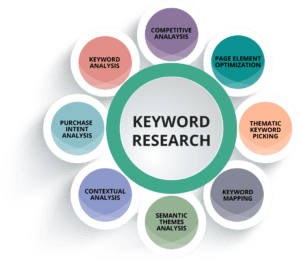
What is Keyword Research?

Keyword research is the process of uncovering popular words, phrases, and search terms that people are actively looking for, particularly those with high search traffic. Search intent refers to how research links a keyword’s importance to a website and each of its pages so that users can find the right page to answer their questions.

Furthermore, keyword research entails categorizing search queries into stages of the user journey and search subcategories such as transactional, navigational, and informational.

Keyword Research StrategiesThrough effective keyword research, people can find what they need:

  • Users who wish to investigate a specific brand can do so by researching that brand.
  • Customers who are looking to purchase can easily navigate to the appropriate product page.
  • A user who wants to know “how to can” finds a step-by-step explanation of a process on this page.

In addition, keyword research should also take into account whether ranking for a particular keyword would be worth the time and effort required to rank high and generate traffic. All traffic isn’t created equal.


Process of Keyword Research

While basic keyword research can be done in a couple of hours, there should be a process in place to keep an eye on keyword trends and build new lists as your company’s needs evolve.

The following are the fundamental steps to be followed:

Brainstorm:

Before you dive into out-of-the-box thinking, get your team to brainstorm the phrases that are common to your target audience on their buying journey. Instead of using technical terminology, use a language that is understandable to your audience.

Select an Effective Tool:

The industry is filled with both free and expensive SEO keyword tools. You need a powerful keyword tool if you want the greatest outcomes from your keyword research. For example, SEO tools such as Demand Jump will provide you with accurate search volumes, competitive URLs, and attribution insights.

Build Keyword List:

Begin with a primary keyword list that includes your core keywords, themes, and brand identity. You can also want to create secondary lists that focus on a particular product or service area or a particular stage in your marketing funnel.

Establish Your Baseline and Set Goals:

Save your lists and keep track of your ranking position so you can track your progress at a later date. Set targets around the keywords you want to improve your ranking for.


Below are the Best Keyword Research Tools

Keyword Research Tool


There are numerous research tools available to assist you in developing your keyword strategy, however we will highlight some of the best here:

SEMrush: SEMrush is a search engine optimization (SEO) tool that compares domains and analyzes keywords and positions in Google and Bing’s organic search results. 

MOZ Keyword Difficulty Tool: MOZ’s Keyword Difficulty tool is a great tool to analyze competition and find the low-hanging fruit. It gives keywords a Difficulty Score based on their search volume and search engine results pages (SERPs).

Ahrefs: Ahrefs keyword explorer is like SEMrush but with extra features and an easy-to-use interface. It can predict how many searches will turn into real page views, run the largest database, finds opportunities, and aid in competitive research. 

Google Keyword Planner: Keyword Planner is Google’s free AdWords tool. It is a great place to begin your research process. You will get a list of relevant keywords, metrics to measure competition, historical stats, and a new list of keywords. Unfortunately, it’s been removed from some of its features, but you can fill in the gaps with Google Trends.


Why Keyword Research is Important?

Keyword research is vital for understanding customer behavior, improving search engine rankings, optimizing content strategy, and maximizing ROI. By conducting thorough keyword research, you can optimize your digital marketing efforts and increase your chances of success in the online landscape.

It is essential for several reasons:

  • Improved Website Visibility,
  • Targeted Traffic Generation,
  • Competitive Advantage,
  • Content Strategy Optimization,
  • ROI Maximization, and so on.

Final Thoughts

Keyword research is an integral part of digital marketing and SEO. By conducting thoroughly, you can optimize your website, attract targeted traffic, and generate leads. Take advantage of powerful tools and make data-driven decisions for your online success.

Remember, an effective research process is the foundation of a successful digital marketing strategy, helping you connect with your target audience and drive sustainable growth.

In addition to undertaking extensive keyword research, consider the advantages of employing a professional digital marketing agency. Their expertise and industry knowledge can maximize the potential of your digital marketing and SEO approach

Read More